Premier Fishing Rod Labels: Quality, Performance, and Competitive Pricing
Picking the ideal angling equipment is important for novice and experienced anglers alike. The company significantly influences determining quality, performance, and value. Names like Ugly Stik and Shimano deliver reliability for beginners, while experienced fishers might look for premium options from top-tier brands. Learning the intricacies of each brand can boost the fishing experience. What considerations should one evaluate when choosing a rod?
Key Characteristics to Look For in Fishing Rods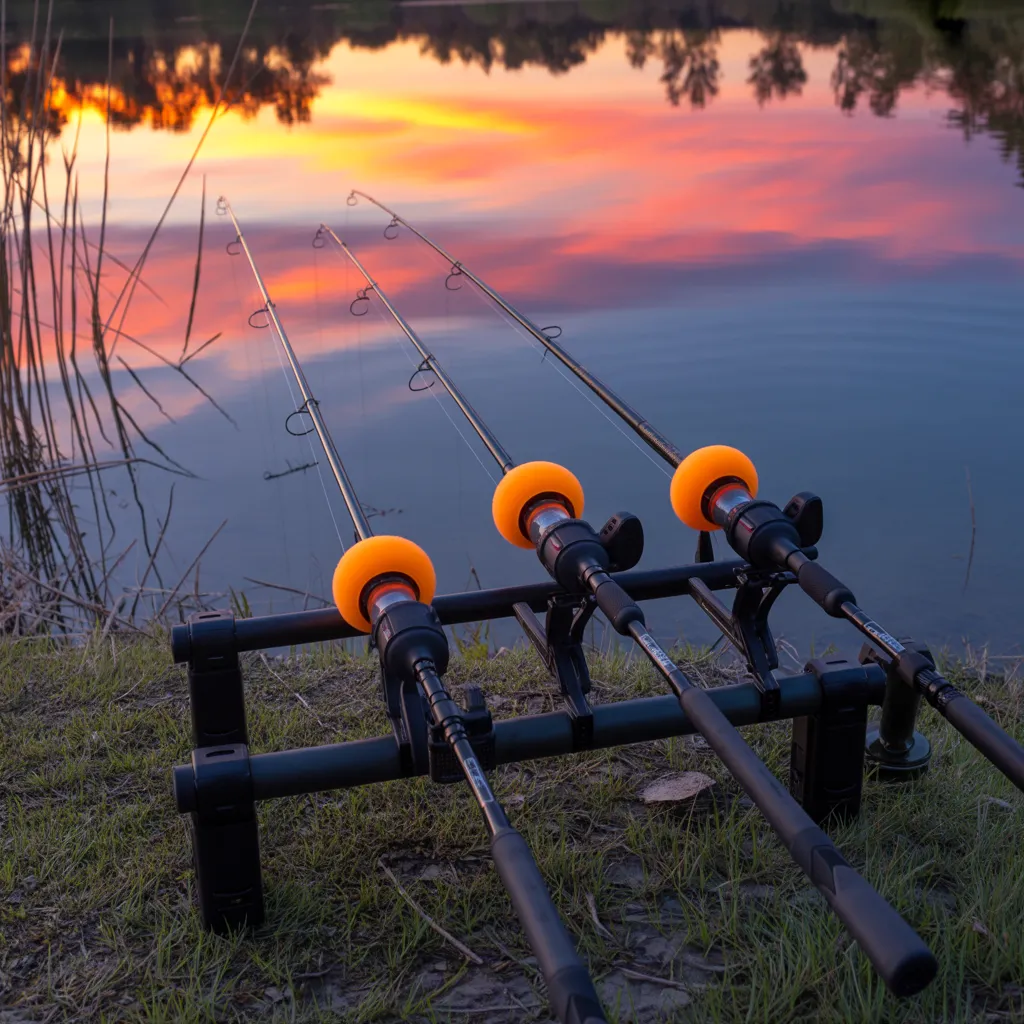
When selecting a fishing rod, anglers should consider several important features that can significantly impact their angling experience. The rod material is essential; carbon provides lightweight benefits and sensitivity, while fiberglass composite delivers durability and resilience. Rod length is another critical aspect, as extended rods can cast greater distances, while compact rods provide improved precision and control.
Action, which refers to the rod's flex properties, determines how it handles fish strikes. Fast action rods bend near the tip, giving quick response, while slow action rods bend throughout, delivering a more accommodating feel. Additionally, the power designation indicates the rod's capability to support different fish sizes, with heavier rods suited for larger species.
Ultimately, the grip and reel seat should be pleasant, as they significantly affect the fisher's capacity to manage the rod while fishing. By thoroughly assessing these features, anglers can select a rod tailored to their individual angling requirements.
Why the Right Brand Choice Can Transform Your Fishing Experience
How critical is the choice of brand when it comes to rods for fishing? Selecting the right manufacturer can significantly impact a angler's overall experience, shaping performance, durability, and comfort. Established brands often put resources in R&D, resulting in fishing rods that offer high-quality materials and advanced technology. This can enhance responsiveness and power, enabling anglers to detect subtle bites and handle larger fish effectively.
Additionally, trusted brands usually deliver superior customer service and warranty protection, making certain that customers have options in case of malfunctions or defects. A well-known company can also establish confidence, with anglers assured that their equipment will function dependably under different circumstances.
By contrast, lesser-known manufacturers might reduce quality standards, leading to disappointment that can diminish the pleasure of the sport. Ultimately, selecting a reputable manufacturer can alter a fishing trip from a basic outing into an unforgettable adventure loaded with success.
Top Fishing Rod Companies for Novices
Picking the right fishing rod company is vital for newcomers aiming to boost their angling adventure. Multiple companies distinguish themselves for their quality, reasonable pricing, and user-friendly designs. Ugly Stik, recognized for its durability and flexibility, supplies rods that can handle various fishing conditions, making it perfect for novices. Shimano offers lightweight options with outstanding sensitivity, helping beginners cultivate their expertise effectively. Abu Garcia is still another excellent choice, featuring inexpensive models that balance performance and ease of use. Additionally, Okuma rods are appreciated for their convenience and trustworthiness, addressing those just getting started. Furthermore, Penn furnishes a range of options that merge quality and value, ensuring beginners have trustworthy gear. By selecting any of these brands, novice anglers can foster confidence and elevate their fishing experience as they gain proficiency.
Top Fishing Rod Picks for Experienced Fishing Professionals
Seasoned fishermen frequently look for fishing rod manufacturers that focus on performance-driven innovations and the utilization of premium components. These companies cater to the specific needs of experienced fishers, improving their general fishing experience. Understanding the features that set apart these fishing rods can significantly affect both technique and success on the water.
Success-Driven Innovations
When it comes to angling rods, a handpicked brands stand out for their high-performance innovations, designed for experienced anglers. These companies concentrate on enhancing precision, touch, and reactivity, which permits seasoned anglers to maximize their techniques. Features such as comfort grips, advanced blank designs, and optimized guides refine handling and reduce fatigue during long fishing sessions. Additionally, some brands utilize cutting-edge technology, like digital testing techniques, to ensure peak performance under different conditions. These innovations not only enhance the fishing process but help anglers to target specific species with precision. As a result, seasoned anglers increasingly turn to these brands to improve their angling skills and achieve better results on the water.
Excellent Elements Selection
High-end angling equipment manufacturers emphasize high-quality components to enhance performance and durability for experienced fishermen. High-modulus graphite, for example, provides a exceptional strength-to-weight balance, allowing for sensitive and lightweight rods. Brands often integrate modern composite substances, such as fiberglass blends, to enhance resilience and flexibility under heavy loads. Additionally, premium parts like steel guides and high-grade cork handles contribute to overall rod longevity and user comfort. Some manufacturers employ exclusive resin formulations and protective coatings to further protect against wear and environmental damage. By selecting these premium-grade materials, top brands guarantee that experienced anglers enjoy peak casting distance, accuracy, and control, ultimately elevating their fishing experience. This commitment to material excellence distinguishes high-end rods in a challenging marketplace.
Budget vs. Premium Fishing Rods: Elements to Assess
What approach should one take when deciding between affordable and premium fishing rods? Anglers often struggle with comparing quality versus cost. Budget rods generally deliver adequate functionality for beginning or casual fishers, offering basic features without significant monetary commitment. These rods are normally heavier and may lack sensitivity, though they function adequately for simple fishing activities.
By comparison, top-tier rods are fabricated from state-of-the-art materials and engineered for increased responsiveness and sensitivity. They are less heavy, often improving the total fishing experience. The investment in a premium rod often proves beneficial for serious anglers who value performance and durability.
At the end of the day, the decision copyrights on individual needs and angling approach. Affordable rods are suitable for those just starting out or fishing occasionally, while premium rods cater to dedicated anglers looking for quality and longevity. Each category has its benefits, making it essential for anglers to evaluate their individual needs before making a decision.
Discovering Your Perfect Fishing Rod: What Elements Should You Evaluate?
When choosing a fishing rod, various significant factors come into play. The types of materials in rods heavily affect longevity and touch, while action ratings and power levels determine the rod's responsiveness and strength. Understanding these elements is important for fishing enthusiasts wanting a bespoke fishing journey.
Rod Material Varieties
Determining the suitable fishing rod material can substantially transform an angler's outing on the water. The most frequent materials are fiberglass and graphite. Fiberglass rods are recognized for their endurance and bendability, making them well-suited for novices and multiple fishing conditions. They are typically heavier but yield a indulgent feel. Conversely, graphite rods are streamlined and supply keen sensitivity and reactivity, captivating expert fishermen pursuing precise feedback. learn here Particular rods unify both materials, balancing the advantages of each. Additionally, composite materials are becoming more coveted for their outstanding features, supplying a mixture of strength and minimal weight. Fundamentally, the option of material should align with an angler's skill, style, and species target for peak results.
Action and Power Evaluations
Comprehending action and power classifications is crucial for fishermen seeking their optimal rod. Rod action describes how much a rod bends when force is applied, classified as slow, medium, and fast. A slow action rod flexes closer to the handle, offering a softer feel, suited for finesse techniques. In comparison, a fast action rod bends near the tip, offering faster responsiveness and sensitivity for strong hook sets.
Power ratings characterize a rod's power, covering from ultralight to heavy. Picking the appropriate power relies on the species of fish sought and the prevailing conditions. By assessing both action and power ratings, anglers can obtain a rod that strengthens their performance and complements their fishing style, ensuring a more rewarding outing.
Common Questions Answered
What Resources Do Fishing Rods Normally Consist Of?
Fishing rods are frequently produced with components like fiberglass, graphite, and carbon fiber. These components exhibit differing levels of toughness, feel, and suppleness, allowing anglers to determine rods optimized for exact angling practices and situational needs.
How Frequently Should I Replace My Fishing Rod?
Fishing rods should generally be changed every 3 to 5 years, based on use and wear. Regular checks for deterioration, performance decline, or changes in fishing style may also necessitate earlier replacement for optimal performance.
Is One Rod Appropriate for Applying Various Fishing Styles?
Yes, a multi-purpose rod can be utilized for different fishing styles, assuming it fulfills the needed specifications for each technique. Choosing a moderate-action rod often handles multiple methods, boosting adaptability for various fishing scenarios.
What Determines the Mean Lifespan of a Fishing Pole?
A fishing rod's average lifespan usually falls between five and ten years, subject to material quality, frequency of use, and upkeep. Proper care can boost its life, keeping peak output across different fishing conditions and approaches.
What Is the Optimal Way to Preserve My Fishing Rod?
To properly upkeep a fishing rod, one should rinse it after each use, store it in a cool, dry place, inspect guides for damage, and periodically check the reel and line for wear.